Why 2025 Demands Immediate Action
Workplace safety in 2025 has reached a tipping point. Rising threats, from active shooters in schools to isolated incidents involving remote workers, demand urgent attention. With a 23% increase in workplace violence over the past three years, organizations can no longer rely on outdated security measures.
Modern employers face not only growing physical threats but also evolving compliance mandates such as expanded OSHA guidelines and laws like Alyssa's Law. The financial and legal stakes are high. But for organizations that invest in advanced mobile panic button systems, the rewards are substantial, improved safety, reduced liability, and a more secure workplace culture.
What Are Mobile Panic Button Solutions?
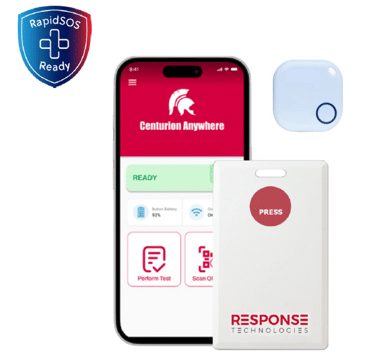
Mobile panic button systems are portable emergency response tools that enable instant alerts regardless of an employee's location. Unlike traditional fixed panic buttons, these solutions use wearable tech, smartphone apps, or dedicated hardware to provide real-time communication with internal and external response teams.
These systems include:
- Alert Devices (e.g., wearables, mobile apps)
- Communication Infrastructure (Wi-Fi, cellular, satellite)
- Response Management Platforms (cloud-based AI coordination tools)
Features often include GPS tracking, two-way communication, silent alarm options, and AI-powered threat detection and response automation.
Who Needs Mobile Panic Button Solutions?
Mobile panic button systems are vital across industries, especially in high-risk or isolated environments. Key segments include:
- Lone Workers / Remote Workers: Employees working alone or off-site, such as utility technicians, field sales agents, and delivery drivers.
- Social Workers: Often working in unpredictable and emotionally charged situations, requiring immediate response capabilities.
- City-Wide Employee Protection: Municipal workers are exposed to public interactions across varied environments.
- Elected Officials / Judges: High-profile individuals facing elevated threats in public and private settings.
- Courts / Government Facilities: Security challenges in judicial and administrative environments.
- K-12 Schools / Colleges and Universities: Active shooter threats, campus safety concerns, and medical emergencies.
- Healthcare Workers / Medical Buildings: Hospitals, clinics, and home health environments are facing volatile situations.
- Real Estate Agents / Property Managers: Often meet clients alone in remote or unmonitored properties.
- Domestic Violence Survivors: Programs offering protection solutions to high-risk individuals.
- Hospitality Industry: Hotel staff, especially housekeeping, working in isolation.
- Gig Economy Workers: Drivers, delivery personnel, and freelancers are exposed to public threats without a support infrastructure.
- Manufacturing / Industrial Facilities: Isolated and hazardous environments demanding rapid alert capabilities.
Legal Requirements & Compliance Landscape
Federal and state authorities are tightening safety regulations:
- OSHA: Requires a workplace free from recognised hazards. Failure to implement panic systems in high-risk industries has led to citations.
- Alyssa's Law: Mandates panic alarm systems in K-12 schools across multiple states.
- Healthcare Regulations: The Joint Commission and CMS mandate emergency response capabilities for medical facilities.
- State & Industry-Specific Laws: Regulations now cover hospitality, education, real estate, and government sectors.
Organisations must stay updated to remain compliant and avoid liability.
How Mobile Panic Button Systems Work
Modern systems use multi-layered technology:
- Activation: Via wearable device, app, or voice.
- Location Tracking: GPS, Wi-Fi triangulation, Bluetooth beacons.
- Connectivity: Cellular first, with Wi-Fi/satellite backup.
- AI Analysis: Determines response type, threat level, and dispatches resources.
- Response Coordination: Real-time dashboards, automated alerts to responders.
- Two-Way Communication: Audio, text, or video with emergency personnel.
Step-by-Step Implementation Roadmap
- Assessment Phase
- Risk audits
- Compliance reviews
- Stakeholder input
- Selection Phase
- Vendor evaluations
- Proof-of-concept trials
- Deployment Phase
- Pilot programs
- Technical integration
- Staff training and onboarding
- Ongoing Training and Education
- Scenario-based drills
- Updated training materials
- Evaluation and Optimisation
- Regular performance monitoring
- Feedback and system upgrades
Case Studies
- Education: A school district implemented wearable panic buttons, reducing response times by 67%.
- Healthcare: A medical center saw a 45% drop in workplace violence and 78% rise in staff confidence.
- Hospitality: Hotel chain improved response times and staff retention after equipping housekeepers.
- Corporate: Multi-site deployment helped coordinate emergency evacuations across affected regions.
Frequently Asked Questions
Q: How does AI reduce response time? A: By automating alert analysis and dispatch protocols, AI cuts delays and prioritises critical threats.
Q: How can organisations fund these systems? A: Through federal/state grants, leasing models, and insurance discounts.
Q: How to ensure staff adoption? A: Offer personalised training, communicate benefits, and collect ongoing feedback.
Q: What about privacy? A: Systems track location only during alerts, offer privacy modes, and follow encryption/data laws.
Q: Can they integrate with our current systems? A: Yes, via APIs to connect with access control, CCTV, alarms, and communication tools.
Conclusion: Act Now to Protect Your People
The threat landscape is clear, and growing. Investing in a modern mobile panic button system is not just a compliance issue; it's a moral and operational imperative. With improved safety, regulatory compliance, and ROI, the decision to act now is the only responsible one.
Contact our safety experts today to schedule a consultation and see how mobile panic button systems can improve your organization's approach to safety.